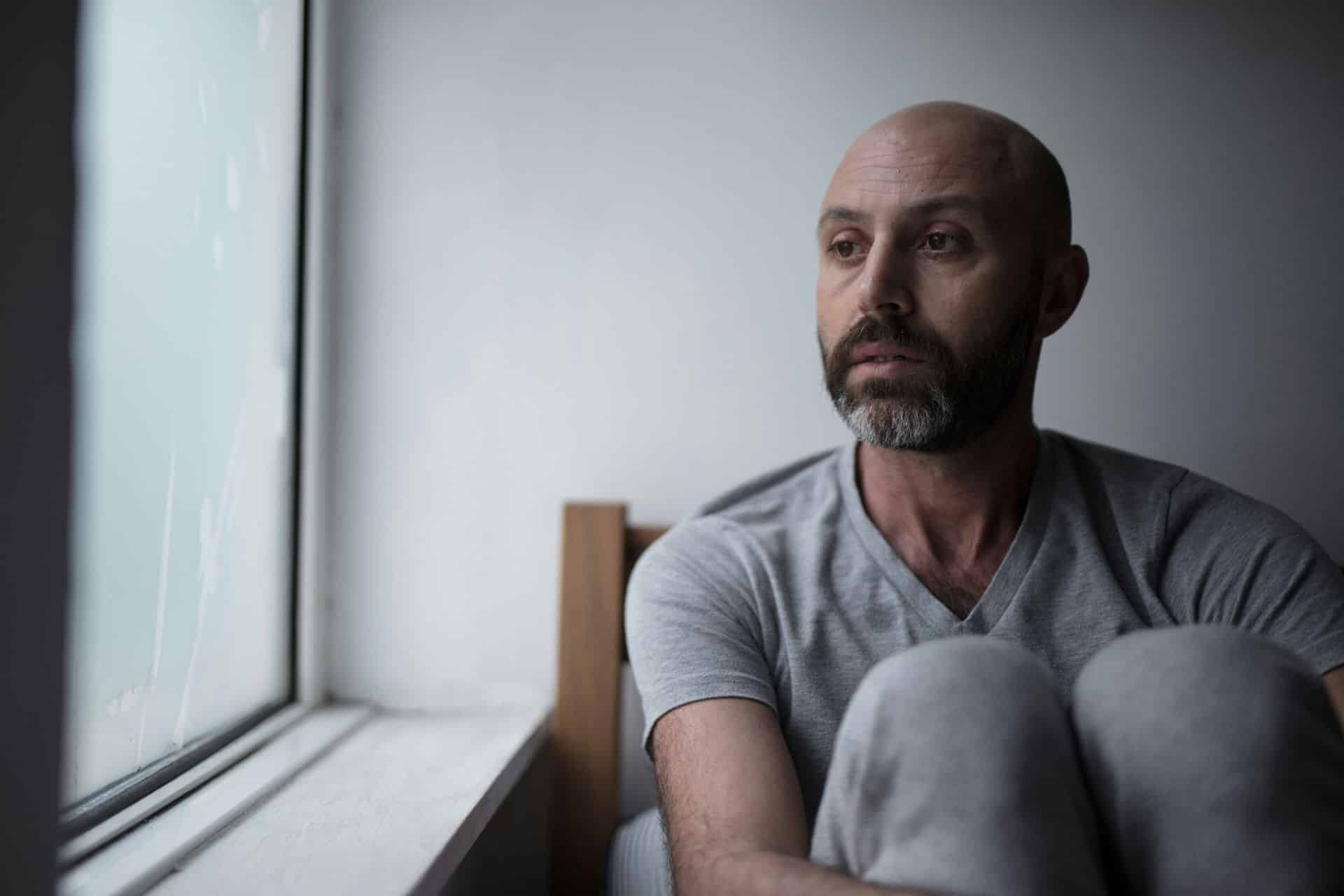
Divorce is one of the most stressful life events a person can face. For men, the emotional and psychological toll can be significant. Divorce mental health challenges often go unaddressed because men are less likely to seek help or talk openly about emotional pain. But understanding how divorce affects mental health is the first step toward healing and building a healthier future.
Men going through divorce often experience grief, identity loss, and social isolation, all of which can increase the risk of mental health issues and substance use. These challenges are real, and they deserve real attention. For men in Idaho who are struggling with addiction or co-occurring mental health disorders alongside the pain of divorce, support from Eagle Creek Ranch Recovery can provide the structured, compassionate care they need to move forward.
Understanding The Impact of Divorce on Men
Divorce does not just end a marriage. It can reshape a man’s entire life, including his identity, daily routine, and emotional well-being. The mental health effects of divorce are wide-ranging, and can develop gradually or appear suddenly.
When left unaddressed, poor divorce mental health can lead to serious consequences. Recognizing the problem early can give men a better chance at recovery and long-term well-being.
Common Emotional and Psychological Responses to Divorce
Men going through divorce commonly experience a range of difficult emotions, including:
- Grief and loss
- Anger
- Resentment
- Rumination or “wallowing”
- Shame or guilt
- Social withdrawal
- Loneliness and isolation
- Anxiety about the future
- Low self-esteem
These responses are normal. But they can become harmful if they are not processed in healthy ways. Without proper support, these emotions can develop into or agitate the symptoms of mental health conditions.
Divorce Rates and Mental Health Trends Among Men (2023–2025)
Divorced men are significantly more likely to experience depression and anxiety disorders than their married counterparts. Men are also less likely to seek mental health treatment after divorce, which increases the risk of long-term mental health struggles. Divorced men are more likely to report a lower rate of emotional support after getting divorced. This treatment gap makes it even more important to raise awareness and reduce the stigma around men seeking help.
The Connection Between Divorce, Mental Health, and Substance Use
Many men turn to alcohol abuse or drug use as a way to cope with the emotional pain of divorce. This pattern can quickly develop into dependency, making dual diagnosis treatment essential for addressing both substance use and the underlying mental health challenges. Men with untreated addiction are at a significantly higher risk of divorce and overall lower rates of marriage for some groups. This highlights the importance of addressing addiction as part of any comprehensive approach to divorce mental health.
Does Having a Mental Health Condition or Addiction Increase Divorce Risk?
Mental health conditions and addiction do not just affect the individual, but their relationships. Understanding how these issues contribute to divorce can help men recognize when professional support is needed.
Substance abuse is frequently cited as a major driver of divorce. When addiction is present, it often becomes the central issue in a relationship, overshadowing everything else. Partners of individuals with addiction frequently report feeling neglected, unsafe, or emotionally exhausted. Without treatment, these dynamics rarely improve, and divorce often becomes the outcome.
Co-occurring disorders (the presence of both a mental health condition and a substance use disorder) can significantly increase the complexity of relationship challenges. Men with co-occurring disorders may struggle with emotional regulation, impulsivity, and maintaining consistent behavior. These patterns can make healthy relationships harder to sustain and increase the risk of divorce. Treating both conditions simultaneously through a dual-diagnosis treatment program is the most effective approach.
Are Divorced Men at Higher Risk for Mental Health Conditions?
Men who go through divorce face a heightened risk of developing mental health complications. If they are already vulnerable due to a history of trauma or mental health challenges, they can face an even greater risk.
Divorced men are at a significantly higher risk for depression disorders compared to married men. The loss of a primary relationship, combined with changes in living situation and social support, creates conditions where mental health can quickly decline, making depression and addiction treatment essential for those struggling with both emotional distress and substance use.
Men are also more likely to experience depression as irritability or anger rather than sadness, which can make it harder to identify and treat. Recognizing how depression can show up in men is key to preventing long-term harm.
Divorce is a known risk factor for the development of substance use disorders in men. The emotional pain, loneliness, and stress that follow divorce can make alcohol or drugs feel like an accessible form of relief.
Without support, the mental health effects of divorce can persist for years.. However, men who engage in treatment and build strong support networks tend to recover well.
How Divorce and Major Life Transitions Can Affect Mental Health
Major life transitions, including divorce, can disrupt a person’s sense of stability and purpose. For men, these disruptions often go unacknowledged, which can make the mental health impact even more severe.
Stress and Emotional Adjustment
Divorce triggers a significant stress response in both the body and mind. The uncertainty of legal proceedings, financial changes, and shifts in daily routine all contribute to elevated stress levels.
Chronic stress, when left unmanaged, can lead to anxiety, sleep problems, and physical health issues. Learning to manage stress is a critical part of protecting divorce mental health.
Coping With Loss and Change
Divorce involves multiple layers of loss, including the loss of a partner, a shared home, a daily routine, and a vision of the future. Each of these losses requires its own process of grief and adjustment.
Men who allow themselves to grieve and seek support tend to adjust more successfully. Healthy coping strategies, along with coping tools from professional guidance, can help men process emotions more effectively during grief and adjustment and make a meaningful difference in long-term outcomes.
The Impact of Divorce on Family Dynamics
For fathers, divorce often means reduced time with children, which can be a profound source of grief and guilt. Ongoing co-parenting can also become a stressful challenge after divorce, especially when coordination stays tense. Changes in family structure can leave men feeling disconnected from their most important relationships. These losses are real and significant. Acknowledging them and processing them with professional support, including family addiction support when substance use is involved, can help men navigate this transition in a healthier way.
Healthy Ways to Cope With Divorce Mental Health Challenges
Coping with divorce requires intentional effort and the right tools. Men who take proactive steps to protect their mental health during and after divorce are better positioned for long-term recovery and well-being.
Strong social connections are one of the most powerful protective factors for mental health and a key part of recovery after divorce. Men going through divorce benefit greatly from leaning on trusted friends, family members, or support groups. Try reconnecting with close friends or family, join a divorce support group, engage in community activities or hobbies, or consider peer support programs.
Physical health and mental health are closely connected. Regular exercise, adequate sleep, and a balanced diet can all help stabilize mood, support emotional stability, and reduce stress during divorce. Mindfulness practices, such as meditation or deep breathing, can also help men stay grounded and manage difficult emotions. These habits are not a cure, but they are a meaningful part of a healthy coping strategy.
Seek professional help if your emotional pain is becoming overwhelming or if alcohol or drug use is increasing. Warning signs include persistent sadness, an inability to function at work, increased substance use, or thoughts of self-harm. Reaching out is a display of strength and taking accountability, not weakness.
Get Support for Mental Health and Addiction at Eagle Creek Ranch Recovery
Eagle Creek Ranch Recovery is committed to helping men in Idaho overcome the challenges of addiction and co-occurring mental health disorders, including those triggered or worsened by divorce. We specialize in treating men who are dealing with both mental health conditions and substance use disorders at the same time. This dual-diagnosis approach ensures that both issues are treated together, which leads to better and more lasting outcomes.
Whether you need help getting through a hard time or have been struggling for years, it is never too late to seek help. Reach out to us at Eagle Creek Ranch Recovery to learn how we can help.
Frequently Asked Questions About Divorce and Mental Health
Divorce can lead to depression, anxiety, social isolation, and increased substance use in men. These can become more severe and longer-lasting without professional support.
Yes. Divorce is a known risk factor for the development of substance use disorders in men. The emotional pain and stress of divorce can lead men to use drugs as a coping mechanism, which can escalate into addiction over time.
Warning signs and emotional challenges after divorce include persistent sadness or hopelessness, increased alcohol or drug use, withdrawal from friends and family, difficulty functioning at work, and thoughts of self-harm.
Eagle Creek Ranch Recovery provides dual-diagnosis treatment that addresses both mental health conditions and substance use disorders simultaneously. The center offers personalized, evidence-based care in a supportive environment designed specifically for men.
Not everyone has the same reaction to divorce, or experiences the same mental health effects reported to correlate with divorce. But it’s still important to seek emotional support and to not be afraid to ask for help if things start to head in a negative direction.
https://www.nimh.nih.gov/health/topics/depression
https://pmc.ncbi.nlm.nih.gov/articles/PMC6639521/
https://www.cdc.gov/nchs/nvss/marriage-divorce.htm
https://pmc.ncbi.nlm.nih.gov/articles/PMC9247836/
https://journals.sagepub.com/doi/10.1177/10497323221110974
https://www.rutgers.edu/news/genetic-risk-mental-health-issues-linked-higher-divorce-rates

Clinical Director
Kendall Maloof is the clinical director at Eagle Creek Ranch Recovery. She is a licensed marriage and family therapist and has held multiple leadership roles before settling here at Eagle Creek Ranch Recovery. Kendall received her master’s degree in marriage and family therapy from the Chicago School of Professional Psychology in 2016. Her career in mental and behavioral health began in 2014 when she took up internships in both the nonprofit and for profit sectors. She interned at multiple reputable companies, such as The Living Success Center and 449 Recovery in California.
In 2019, Kendall became the clinical director of Sunsets Recovery for Woman, a dual diagnosis program in southern California. Kendall is a natural leader. She has an incredible ability to problem solve and stay calm in any situation. Kendall never fails to show up when she is needed, and her calm demeanor makes her team and clients feel at ease. Eagle Creek Ranch Recovery is proud to have Kendall as our clinical director.