Drug and Alcohol IOP in Idaho
A drug and alcohol intensive outpatient program (IOP) is a structured level of addiction treatment that provides regular therapy sessions while allowing a person to live at home. It sits between standard outpatient care and more intensive residential or partial hospitalization programs (PHP), offering clinical support without requiring an overnight stay. For men in Idaho who need more than weekly counseling but are stable enough to manage daily life, an IOP can be a practical and effective path forward.
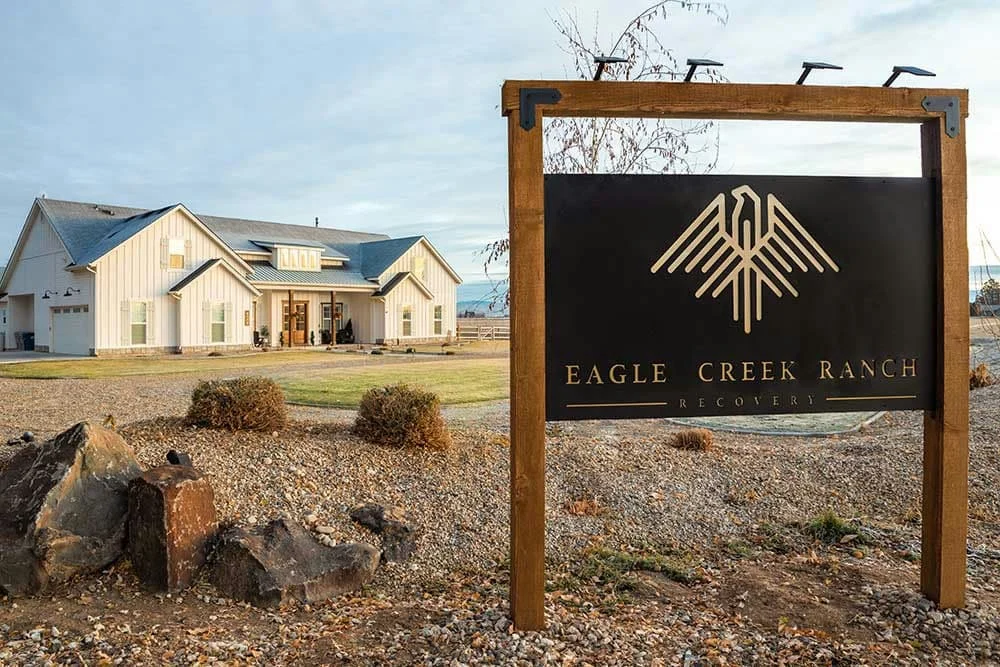
Eagle Creek Ranch Recovery, located in Nampa, Idaho, offers a full continuum of care for men dealing with substance use and co-occurring mental health conditions. Our program is designed to meet men where they are, whether they are stepping down from residential treatment or entering structured care for the first time.
A drug and alcohol IOP is a non-residential treatment program that delivers structured clinical services on a scheduled, part-time basis. According to the Substance Abuse and Mental Health Services Administration (SAMHSA), IOPs provide at least nine hours of treatment per week for adults and include individual therapy, group counseling, and psychoeducation.
IOPs are designed for people who have a diagnosed substance use disorder but do not require 24-hour medical supervision. They are commonly used as a step-down from residential or PHP-level care, or as a primary treatment option for those with a stable home environment and a moderate level of addiction severity.
What Happens in an Intensive Outpatient Program?
In an IOP, clients attend scheduled therapy sessions several days per week while continuing to live at home or in sober living housing. Sessions typically include a combination of:
- Group therapy
- Individual counseling
- Skills-based education focused on relapse prevention and coping strategies
According to the National Institute on Drug Abuse (NIDA), effective addiction treatment addresses not just substance use but also the medical, psychological, social, vocational, and legal problems that often come with it. In practice, this means IOP sessions cover topics such as managing triggers, rebuilding relationships, understanding co-occurring mental health conditions, and developing a long-term recovery plan.
Contact Eagle Creek Ranch Recovery
Today!
Why Wait? Find The Help You Need By Reaching Out To Us Today! Our Admissions Team Is Standing By.
How Does IOP Compare to PHP and Residential Treatment?
These three levels of care differ primarily in the number of hours per week and the degree of structure provided. Residential treatment involves living at the facility full-time with around-the-clock clinical support. A PHP provides a high level of structured programming, generally at least 20 hours per week according to ASAM criteria, without overnight stays. IOP offers fewer weekly hours and is suited for individuals who are clinically stable and have reliable support outside of treatment.
Choosing the right level of care depends on factors such as:
- The severity of the addiction
- The presence of co-occurring mental health conditions
- The stability of a person’s home environment
A clinical assessment helps determine which level is the most appropriate starting point.
Benefits of IOP for Men in Recovery
IOP offers a structured treatment experience that fits into real life. For men managing work obligations, family responsibilities, or financial constraints, it provides clinical support without requiring a full departure from daily routines. SAMHSA notes that IOP outcomes are comparable to those of residential treatment for individuals who are appropriately matched to this level of care.
Because IOP sessions are scheduled on specific days and times, many men are able to maintain employment or family responsibilities while in treatment. Sessions are often held in the morning or evening to accommodate work schedules.
This makes IOP a realistic option for men who cannot take extended time away from work or who have caregiving responsibilities at home.
Group therapy is a core component of IOP and provides regular contact with others who are working through similar challenges. Accountability within a group setting helps men stay consistent with their recovery goals, particularly during the transition back to everyday life.
IOP is often used as a step-down level of care following residential treatment or PHP. This transition allows men to apply the skills they have learned in a more structured setting while gradually taking on more independence.
Relapse prevention planning is built into IOP programming. Clients work with clinicians to identify high-risk situations, develop coping strategies, and establish a support network that extends beyond the program itself.
What Evidence-Based Therapies Are Offered in an IOP?

Eagle Creek Ranch Recovery incorporates therapies with strong research support, including:
- Cognitive behavioral therapy (CBT)
- Dialectical behavior therapy (DBT)
- Motivational interviewing
- Relapse prevention
- Trauma therapy
- Mindfulness-based cognitive therapy
These therapies help clients identify the thought patterns and behaviors that drive substance use and build practical skills for managing them over time.
Does Insurance Cover IOP?
Many insurance plans cover IOP for substance use disorders. According to the U.S. Department of Labor, the Mental Health Parity and Addiction Equity Act (MHPAEA) requires most health plans that cover substance use treatment to cover it in a way that is similar to medical and surgical benefits.
Eagle Creek Ranch Recovery works with insurance to help clients understand their benefits. Coverage varies by plan, so it is important to verify benefits before beginning treatment.

Contact Us Today to Get Started with Our Programs
Eagle Creek Ranch Recovery offers programs designed for men dealing with substance use disorders and co-occurring mental health conditions. Our program is part of a full continuum that includes medical detox, residential treatment, and aftercare, allowing men to move through levels of care as their clinical needs change.
Eagle Creek Ranch Recovery is accredited by The Joint Commission, certified by LegitScript, and a member of NAATP, reflecting its commitment to established standards for addiction treatment. Our center treats a wide range of substances, including alcohol, opioids, methamphetamine, benzodiazepines, and fentanyl, and provides dual diagnosis treatment for men with co-occurring conditions such as PTSD, depression, anxiety, and bipolar disorder.
How Do Admissions Work?
The admissions process at Eagle Creek Ranch Recovery begins with a call to the team, followed by a clinical assessment to determine the appropriate level of care. Benefit verification is completed as part of the intake process to help clarify coverage before treatment begins.
From there, a care plan is developed based on each client’s clinical needs, substance use history, and any co-occurring mental health conditions. Our goal is to match each man to the right level of care from the start.
Get Support for Drug and Alcohol Addiction at Eagle Creek Ranch Recovery
Eagle Creek Ranch Recovery provides structured, clinically grounded treatment for men in Idaho who are ready to address substance use and build a stable foundation for recovery. Our programs are one part of a broader system of care that supports men from detox through aftercare. Contact Eagle Creek Ranch Recovery to start your recovery journey.
Frequently Asked Questions
IOP duration varies based on individual clinical needs; programs can run anywhere from a few weeks to several months. The length of time a person stays in an IOP depends on their progress, the severity of their addiction, and their treatment goals.
According to SAMHSA, IOPs provide a minimum of nine hours of structured treatment per week for adults. Some programs offer more hours depending on the client’s needs and the program’s design.
Many people do maintain employment while attending an IOP, since sessions are typically scheduled to avoid standard work hours. The flexibility of IOPs is one of the reasons it is a practical option for men with work or family obligations.
Out-of-pocket costs for an IOP vary depending on the provider, location, and program length. Those without insurance coverage should ask about self-pay rates and any available financial assistance options when contacting a treatment center directly.
Yes. SAMHSA reports that IOP outcomes are comparable to those of residential treatment for individuals with minimal risk of acute intoxication or withdrawal, medical complications, or severe psychological symptoms. Effectiveness is strongest when clients are clinically stable, have a supportive home environment, and are engaged in the full program.

Clinical Director
Kendall Maloof is the clinical director at Eagle Creek Ranch Recovery. She is a licensed marriage and family therapist and has held multiple leadership roles before settling here at Eagle Creek Ranch Recovery. Kendall received her master’s degree in marriage and family therapy from the Chicago School of Professional Psychology in 2016. Her career in mental and behavioral health began in 2014 when she took up internships in both the nonprofit and for profit sectors. She interned at multiple reputable companies, such as The Living Success Center and 449 Recovery in California.
In 2019, Kendall became the clinical director of Sunsets Recovery for Woman, a dual diagnosis program in southern California. Kendall is a natural leader. She has an incredible ability to problem solve and stay calm in any situation. Kendall never fails to show up when she is needed, and her calm demeanor makes her team and clients feel at ease. Eagle Creek Ranch Recovery is proud to have Kendall as our clinical director.