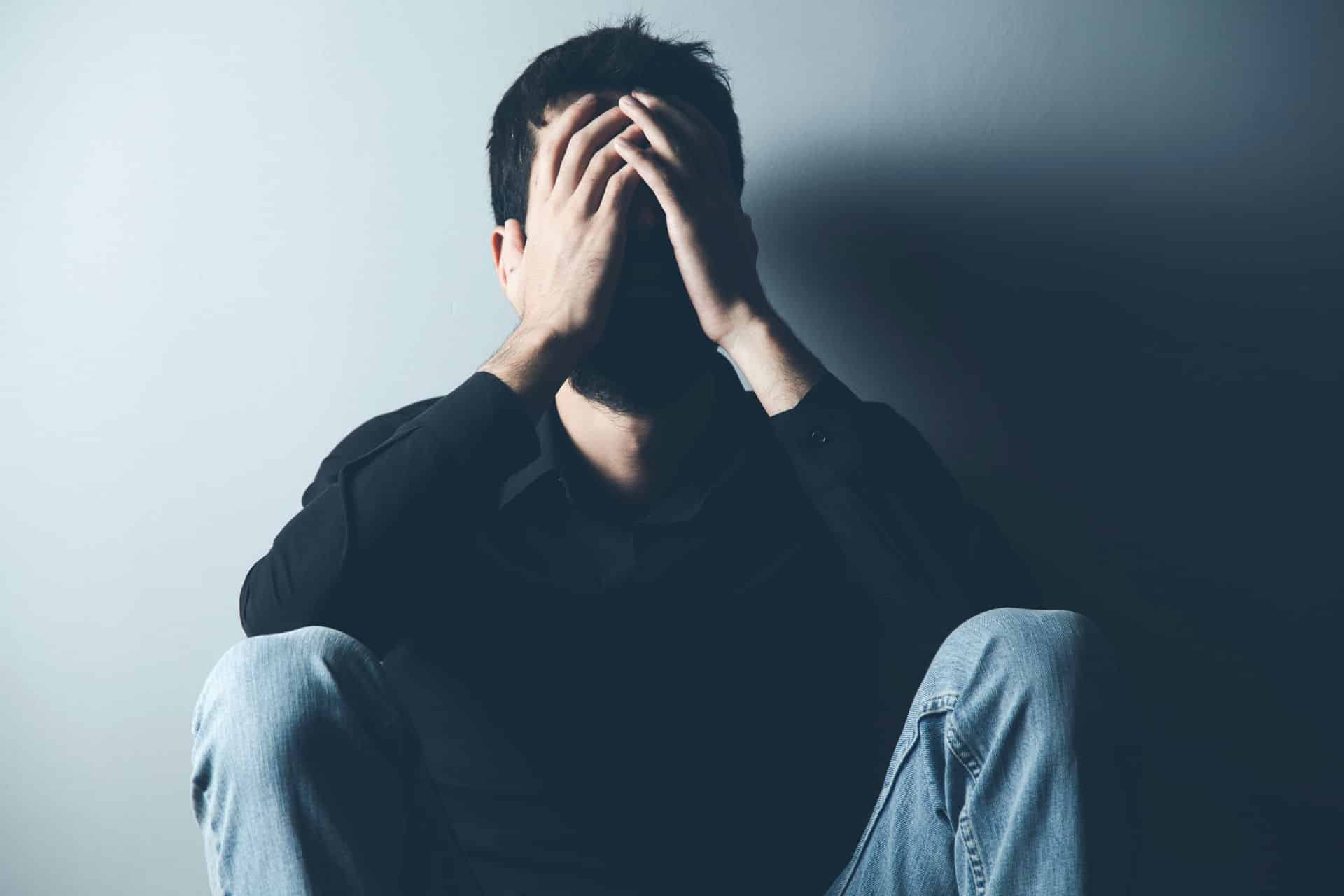
Social anxiety in men is a significant mental health condition that can profoundly affect daily life, relationships, and overall well-being. Unlike occasional nervousness, social anxiety disorder involves an intense fear of being judged, embarrassed, or rejected in social situations. For many men, this anxiety can lead to isolation, low self-esteem, and an increased risk of developing substance use disorders as a coping mechanism. Understanding how social anxiety in men uniquely manifests is crucial for effective treatment and long-term recovery.
Eagle Creek Ranch Recovery specializes in supporting men in Idaho who struggle with substance abuse, addiction, and co-occurring mental health conditions like social anxiety. By addressing the underlying causes of addiction, including anxiety, dual diagnosis treatment in Idaho, Eagle Creek Ranch Recovery empowers men to achieve lasting sobriety and improved mental health.
What is Social Anxiety?
Social anxiety disorder is an anxiety disorder characterized by an intense, persistent fear of social situations. Men with social anxiety often worry about being embarrassed, humiliated, or negatively evaluated by others. This fear can be so overwhelming that it interferes with work, school, and personal relationships.
Symptoms of social anxiety in men may include blushing, sweating, trembling, rapid heartbeat, and difficulty speaking in social settings. Many men with social anxiety avoid situations where they might have to interact with others, leading to isolation and missed opportunities.
How Common is Social Anxiety in Men?
Recent studies from 2023 and 2024 indicate that social anxiety disorder affects about 7% of adults in the United States each year. Men represent a significant portion of those diagnosed. However, social anxiety in men is often underreported due to stigma and societal expectations around masculinity.
Men may be less likely to seek help for social anxiety, making it harder to determine the true prevalence. Despite this, research shows that millions of men struggle with social anxiety, impacting their ability to form relationships, advance in their careers, and maintain good mental health.
Effects of Social Anxiety on the Daily Life and Relationships in Men
Social anxiety can make everyday activities feel overwhelming for men. Attending meetings, making phone calls, or even casual conversations can trigger intense fear and discomfort. This often leads to avoidance behaviors, such as skipping social events or turning down job opportunities.
Relationships frequently suffer as a result. Men with social anxiety may find it difficult to connect with friends, family, or romantic partners. Over time, this isolation can contribute to feelings of loneliness, depression, and a greater risk of substance use as a way to cope with emotional pain.
How Social Anxiety Manifests Differently in Men
Social anxiety does not present the same way in everyone. In men, it often appears with unique symptoms and challenges that can make it harder to recognize and treat.
While both men and women can experience social anxiety, men may be more likely to display symptoms such as irritability, anger, or withdrawal rather than visible nervousness. Some men might mask their anxiety by acting confident or even aggressive in social situations. The symptoms of social anxiety can be mistaken for other health issues in men, making it important to consider the full range of signs when assessing mental health.
Society often expects men to be confident, outgoing, and emotionally strong. These expectations can make it difficult for men to admit they are struggling with anxiety. Many men fear being seen as weak or unmanly if they talk about their mental health challenges.
Stigma around needing mental health treatment can prevent men from seeking help, leading to untreated social anxiety and a higher risk of developing other problems, such as depression disorders or substance abuse. Reducing these barriers is essential for helping men access the support they need.
Men often encounter unique barriers when seeking help for social anxiety. These can include fear of judgment, lack of awareness about mental health resources, and limited access to gender-specific treatment programs.
Some men may attempt to cope with social anxiety on their own, using substances like alcohol to manage their anxiety. Unfortunately, this can lead to a cycle of dependence and worsening mental health. Specialized treatment centers like Eagle Creek Ranch Recovery provide a supportive environment where men can address both social anxiety and addiction.
Social Anxiety vs. Shyness in Men
It is important to distinguish between shyness and social anxiety, especially regarding men’s mental health.
Defining Shyness and Social Anxiety
Shyness is a personality trait involving discomfort or awkwardness in new situations or around unfamiliar people. Most people experience shyness at some point, and it usually does not interfere with daily life.
Social anxiety, however, is a mental health disorder that causes intense fear and avoidance of social situations. The anxiety is persistent and can significantly impact a man’s ability to function at work, school, or in relationships.
The impact of social anxiety is much greater than shyness. It can affect a man’s self-esteem, career prospects, and overall quality of life. Recognizing these differences is key to getting the right help.
When Shyness in Men Becomes a Mental Health Concern
Shyness becomes a concern when it starts to interfere with daily life or causes significant distress. If a man avoids important activities, experiences panic attacks, or feels unable to cope with social situations, it may be a sign of social anxiety disorder.
Early intervention is important. Men who notice their shyness turning into persistent anxiety should consider reaching out for professional support. Treatment can help reduce symptoms and improve quality of life.
The Connection Between Social Anxiety and Substance Use in Men
Social anxiety and the use of addictive substances are closely linked, especially in men. Many men turn to alcohol or drugs as a way to manage their anxiety, but this can quickly lead to addiction and other health problems. In these cases, anxiety and addiction treatment in Idaho can provide the integrated support needed to address both the underlying anxiety and the substance use at the same time.
Men with social anxiety may use substances to feel more relaxed or confident in social situations. For example, drinking alcohol may temporarily reduce feelings of fear or nervousness, making it feel easier to interact with others.
However, self-medication with addictive substances does not address the underlying anxiety and can worsen symptoms over time. Regular substance use can lead to dependence, addiction, and a range of physical and mental health issues.
The most common substances men use to cope with social anxiety include:
- Alcohol
- Cannabis (marijuana)
- Prescription medications (such as benzodiazepines)
- Illicit drugs
These substances may provide short-term relief, but they often lead to long-term problems. Men who rely on substances to manage anxiety are at higher risk for addiction and other mental health disorders.
Signs That Social Anxiety May Be Fueling Substance Use
Recognizing the signs that social anxiety is contributing to substance use is the first step toward getting help. Men who use substances to cope with social anxiety may:
- Avoid social situations unless substances are involved
- Use alcohol or drugs before or during social events
- Become irritable, withdrawn, or depressed when unable to use substances
- Experience increased anxiety or panic when sober
These behaviors can indicate that social anxiety is driving substance use and that professional help may be needed.
Physical symptoms may include:
- Rapid heartbeat or sweating in social situations
- Shaking or trembling
- Headaches or stomach problems
- Signs of substance withdrawal, such as nausea or insomnia
These symptoms can be a sign that social anxiety and substance use are both present and require integrated treatment.
When Men Should Seek Professional Help for Social Anxiety and Addiction
Men should seek help if social anxiety or substance use is interfering with daily life, relationships, or work. Warning signs that someone needs help may include:
- Inability to control substance use
- Persistent fear or avoidance of social situations
- Feelings of hopelessness or depression
Professional treatment can help men address both social anxiety and addiction, leading to improved mental health and a better quality of life.
Start Healing at Eagle Creek Ranch Recovery
Eagle Creek Ranch Recovery provides specialized addiction and dual diagnosis treatment for men in Nampa, Idaho. The center’s holistic approach addresses the physical, mental, and spiritual aspects of recovery, helping men overcome social anxiety and substance use disorders.
At Eagle Creek Ranch Recovery, men receive personalized care in a supportive environment. The team uses evidence-based therapies, group support, and individualized treatment plans to help men to build confidence, develop healthy coping skills, and achieve lasting sobriety. Call us to learn more about our addiction treatment programs and how we can help you or your loved one start the journey to recovery.
Frequently Asked Questions About Social Anxiety
Common signs include intense fear of social situations, avoidance of gatherings, difficulty speaking in groups, and physical symptoms like sweating or trembling. Men may also become withdrawn or irritable in social settings.
Diagnosis involves a mental health assessment by a professional. Treatment may include therapy, medication, and support groups, often as part of a dual diagnosis program for those with co-occurring substance use.
Yes, men with social anxiety are at higher risk of using substances like alcohol or drugs to cope, which can lead to addiction. Early intervention and integrated treatment are important for recovery.
Families can offer understanding, encourage open communication, and support seeking professional help. Participating in family therapy and learning about social anxiety and addiction can also be helpful.
Men should seek help if anxiety or substance use interferes with daily life, relationships, or work. Persistent avoidance, inability to control substance use, or feelings of hopelessness are signs that professional treatment is needed.

Clinical Director
Kendall Maloof is the clinical director at Eagle Creek Ranch Recovery. She is a licensed marriage and family therapist and has held multiple leadership roles before settling here at Eagle Creek Ranch Recovery. Kendall received her master’s degree in marriage and family therapy from the Chicago School of Professional Psychology in 2016. Her career in mental and behavioral health began in 2014 when she took up internships in both the nonprofit and for profit sectors. She interned at multiple reputable companies, such as The Living Success Center and 449 Recovery in California.
In 2019, Kendall became the clinical director of Sunsets Recovery for Woman, a dual diagnosis program in southern California. Kendall is a natural leader. She has an incredible ability to problem solve and stay calm in any situation. Kendall never fails to show up when she is needed, and her calm demeanor makes her team and clients feel at ease. Eagle Creek Ranch Recovery is proud to have Kendall as our clinical director.