Dual-Diagnosis Treatment Center in Idaho
Addiction and mental illness commonly co-occur more than most people realize. In 2019, a study conducted by the National Survey on Drug and Health (NSDUH) discovered that roughly 9.5 million adults in the United States were suffering from addiction as well as mental health conditions. Another private study conducted in 2020 showed that nearly 8.25% (out of 70,000 respondents) were suffering from co-occurring disorders. The biggest group was those individuals who were currently unemployed, almost 12%.
In Idaho, approximately 30% of adults experienced symptoms of mental illness in early February 2023. Additionally, in 2021, 19 out of 100,000 Idaho residents died of overdose, compared to about 32 out of 100,000 people nationally. These statistics highlight the urgent need for effective dual-diagnosis treatment centers that address both mental health and substance misuse.
Individuals suffering from co-occurring disorders are often unaware of the prevalence of one or more conditions. Dual-diagnosis often involves co-occurring mental health and substance misuse issues, which can go unrecognized or untreated. This is because many people don’t recognize the symptoms, and many treatment providers may not test for more than one disorder. This is what makes dual-diagnosis treatment extremely important in recognizing co-occurring disorders, but also treating and managing them effectively.
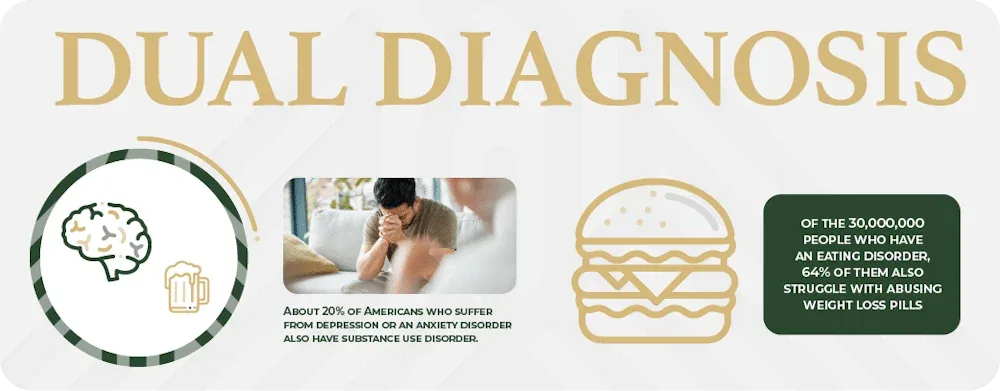
What Is Dual Diagnosis?
A dual-diagnosis is commonly referred to as the presence of both a mental health disorder and a substance abuse disorder. However, dual diagnosis can also be the presence of any two behavioral health conditions. It also means that someone suffering from a process addiction (such as gambling) and substance use disorder can qualify for dual diagnosis. This is also referred to as “co-occurring disorders.” These disorders can be either mild or severe and can greatly affect an individual’s quality of life.

A dual-diagnosis treatment facility will work to diagnose the individual appropriately to make sure to identify the presence of all behavioral health conditions. Diagnosis of co-occurring disorders can only be done by a healthcare professional based on established criteria. This is extremely important to make sure that treatment types do not conflict with each other, and that the person can heal from both conditions. Ignoring one condition makes it much more likely that the person will relapse or be unable to manage their condition after treatment.
An integrated treatment approach is used in dual-diagnosis treatment centers to address both mental health and substance use disorders within a unified treatment plan. Integrated treatment is more effective than treating each disorder separately, helping individuals achieve better long-term recovery outcomes.
Does Addiction Cause Mental Health Disorders to Occur?
Mental health issues can increase a person’s susceptibility to addiction, making it important to address both conditions together. However, it’s also true that mental health disorders make a person more susceptible to addiction as well. Untreated mental health issues often drive addiction, and vice versa. This means that having one condition can make you more susceptible to the other. Dual-diagnosis treatment centers understand that there is a strong correlation between the two and will work with each individual to design a treatment plan that meets all of their needs.
How Common is it to have a Dual Diagnosis?
Dual-diagnosis is a relatively common occurrence. Dual-diagnosis is thought to occur in about 50% of all cases of substance abuse. This means that if you or someone you love is struggling with addiction, there’s a good chance that there is an underlying mental health disorder as well.
It’s important to know the potential impact of living with a dual diagnosis.
- Of those individuals suffering from dual-diagnosis, 37% (roughly 3.6 million adults) were suffering from the presence of a serious mental illness.
- Of those who suffer from a dual diagnosis, only 7.4% receive treatment for both conditions.
- Adults who fell within the age group 18-26 had the highest rate of dual-diagnosis, with 7.6% reporting suffering from two or more conditions.
- The rate of individuals in treatment for co-occurring disorders has risen from 40% in 2009 to 48% in 2019.
- People with a dual diagnosis are more likely to attempt suicide than those who only suffer from one condition or the other.
- Studies indicate that women are often more likely than men to suffer from co-occurring disorders, as well as suffer from more serious mental illnesses.
Contact Eagle Creek Ranch Recovery
Today!
Why Wait? Find The Help You Need By Reaching Out To Us Today! Our Admissions Team Is Standing By.
Symptoms of Dual Diagnosis
There are a few different symptoms that may be indicative of a dual diagnosis. If you or someone you know is displaying any of the following symptoms or mental health symptoms, it’s important to reach out for help:
- A sudden change in mood or behavior
- Withdrawal from friends and activities
- Problems at work or school
- Financial difficulties
- Legal trouble
- Multiple failed attempts to quit using substances
- Anxiety
- Paranoia
- Isolation
- Depression
- Violent or angry behaviors
Behavioral therapies such as cognitive-behavioral therapy (CBT) and dialectical behavior therapy (DBT) can address both substance use and mental health symptoms at the same time.
This is not an all-encompassing list of symptoms; there are many other ways co-occurring disorders can present. It’s important to recognize the changes in a person’s behavior that may indicate a problem.
Why Do Mental Health Conditions Go Untreated?
Symptoms of a mental health condition can be dismissed as other issues, and therefore can go undiagnosed. Because a dual diagnosis involves substance abuse, the person may not seek help out of fear of being judged. Mental health stigma can also play a role in why people with a dual diagnosis can go untreated.
The most important step in dual-diagnosis treatment is admitting that there is a problem. If you or a loved one is struggling with addiction and a mental illness, it’s important to speak to treatment professionals.
Common Co-Occurring Disorders
A dial diagnosis can occur with any mental health, co-occurring mental health, or behavioral health conditions. Integrated treatment provides a holistic approach that considers the individual’s entire life experience.
Anxiety disorders are the most common mental health disorders. Anxiety can manifest as fear, worry, and nervousness. People with anxiety often turn to drugs or alcohol to soothe their symptoms and temporarily improve their quality of life.
Depression disorders are serious mood disorders that cause a person to feel hopeless, helpless, and worthless. Depression can lead to substance abuse as people try to cope with their feelings.
Bipolar disorder is a mental health condition that causes extreme mood swings. People with bipolar disorder may abuse drugs or alcohol to self-medicate their symptoms.
Trauma is a shocking or stressful event that can cause lasting damage. People who have experienced trauma may develop post-traumatic stress disorder (PTSD). PTSD can lead to substance abuse as people try to cope with their memories and feelings. Seeking trauma therapy can provide a safe space to process these experiences, develop healthier coping strategies, and reduce the risk of turning to substances for relief.
OCD (obsessive compulsive disorder) is a mental health condition that causes repetitive, intrusive thoughts and compulsive behaviors. People with OCD may abuse drugs or alcohol to try to calm their anxiety.
Eating disorders are serious mental health conditions that can lead to dangerous behaviors. People with eating disorders may abuse drugs or alcohol as they try to control their emotions.
Schizophrenia is a mental health condition that causes hallucinations, delusions, and disordered thinking. People with schizophrenia may abuse drugs or alcohol to try to self-medicate their symptoms.
Dual Diagnosis Treatment Options
Individualized treatment plans are critical for dual-diagnosis patients because each person’s situation is unique. A good dual-diagnosis treatment center will have a variety of programs and services available to meet the needs of each individual patient. Dual-diagnosis treatment centers provide evidence-based care and integrated treatment to address both mental health and substance use conditions.
Some common components of dual-diagnosis treatment include:
Psychotherapy: This type of addiction therapy can help patients understand their thoughts, feelings, and behaviors to make positive changes.
Medication management: Medication can be an important part of treatment for dual-diagnosis patients, especially those with schizophrenia or bipolar disorder.
Addiction education: Addiction treatment programs can help dual-diagnosis patients recover by utilizing drug and alcohol education so they can better understand how addiction occurs.
Case management: Dual-diagnosis patients may benefit from case management services, which can help them navigate the mental health and social service systems.
Support groups: Participation in a support group can help dual-diagnosis patients feel less alone and more supported by others in similar circumstances. Support groups are commonly included in treatment plans to foster community and shared experiences.
Family therapy: Family therapy is an important aspect of dual-diagnosis treatment, supporting both patients and their families in addressing the impact of co-occurring disorders.
Family involvement: Family involvement is encouraged throughout the treatment process as a key component of holistic and tailored dual-diagnosis recovery.
Integrated treatment often includes a combination of psychotherapy, medication management, and support services tailored to individual needs.
Many programs for dual-diagnosis treatment include education and employment skills to improve overall functioning and keep people motivated to stay in treatment. Integrated treatment often includes a combination of psychotherapy and medication management, but treatment plans are customized to fit individual needs.
What are the Benefits of Dual-Diagnosis Treatment?

Dual-diagnosis treatment centers offer many benefits, including:
- Improved mental and physical health
- Increased ability to function in day-to-day life
- Improved relationships with family members and friends
- Increased employment opportunities
- Improved quality of life.
The goal of dual-diagnosis treatment is to support lasting recovery by addressing both substance use and mental health needs together.
Dual-diagnosis treatment centers offer hope for those struggling with addiction and mental illness. These facilities guide individuals through their recovery journey by providing comprehensive care that treats both conditions simultaneously. By treating both disorders, dual-diagnosis treatment centers help people recover from addiction and mental illness and live happy and healthy lives.
Integrated treatment fosters a supportive environment that encourages healing and personal growth.
The Importance of Treating Addiction and Mental Illness Simultaneously
This form of treatment is highly individualized and must be designed so that treatment types do not interfere with each other. Dual-diagnosis treatment centers understand that addiction and mental illness are both serious disorders that need to be treated simultaneously.
Dual-diagnosis treatment facilities use a variety of treatment modalities to treat both disorders at the same time. By treating both disorders, dual-diagnosis treatment centers can tailor treatment specifically to the individual’s unique circumstances. No two cases are the same, therefore treatment must always be unique and client-centered.
What to Expect in Dual-Diagnosis Treatment
When you enter a dual-diagnosis treatment program, you will undergo an initial assessment. This assessment will help the staff at the dual-diagnosis treatment center understand your unique situation and develop a treatment plan that is right for you. At our residential treatment in Idaho, the staff is highly trained and experienced in treating dual-diagnosis conditions. They will work with you to create a structured treatment plan, which will be reviewed regularly to ensure your recovery is progressing effectively.
Get Help with Dual-Diagnosis Treatment is Available at Eagle Creek Ranch Recovery
At Eagle Creek Ranch Recovery, we understand how difficult it can be to live with both addiction and a mental health condition. That’s why we offer comprehensive treatment in a safe and nurturing environment.
Our highly trained staff is dedicated to helping you heal physically, mentally, and emotionally. Contact us today to learn more about our treatment programs.

Clinical Director
Kendall Maloof is the clinical director at Eagle Creek Ranch Recovery. She is a licensed marriage and family therapist and has held multiple leadership roles before settling here at Eagle Creek Ranch Recovery. Kendall received her master’s degree in marriage and family therapy from the Chicago School of Professional Psychology in 2016. Her career in mental and behavioral health began in 2014 when she took up internships in both the nonprofit and for profit sectors. She interned at multiple reputable companies, such as The Living Success Center and 449 Recovery in California.
In 2019, Kendall became the clinical director of Sunsets Recovery for Woman, a dual diagnosis program in southern California. Kendall is a natural leader. She has an incredible ability to problem solve and stay calm in any situation. Kendall never fails to show up when she is needed, and her calm demeanor makes her team and clients feel at ease. Eagle Creek Ranch Recovery is proud to have Kendall as our clinical director.