Addiction Treatment in Idaho
Eagle Creek Ranch Recovery is the first step on your journey. We have created a comfortable environment that encourages growth and cultivates purpose as you move through our continuum of care. With our 12-step foundation and treatment program, you will advance through your addiction treatment by engaging in the most clinically sound program in Idaho. Our evidence-based treatment and clinical expertise are central to our approach, ensuring clients receive the highest standard of care.
Whether you or a loved one is struggling with addiction, we understand how difficult it can be to get started on the road to recovery. At Eagle Creek Ranch Recovery in Nampa and Boise, Idaho, we offer comprehensive substance abuse treatment protocols that are designed to help you throughout your journey. Our team of experienced professionals will work with you to create a personalized treatment plan that meets your unique needs and goals.

Addiction is a serious problem that affects millions of people all over the world. It can be difficult to overcome, but it is possible with the right help.
There are many different types of addiction, but they all share certain common features. These include an intense urge to use the substance or engage in the behavior, difficulty controlling the use of the substance or behavior. Loss of control is a major challenge for those struggling with addiction, making it difficult to manage substance use or behaviors without support and integrated care.
The effects of addiction can be devastating. It can ruin relationships, cause financial problems, and lead to health problems. Overcoming these challenges requires a strong commitment to recovery, and we provide the tools and resources needed to help clients regain control over their lives.
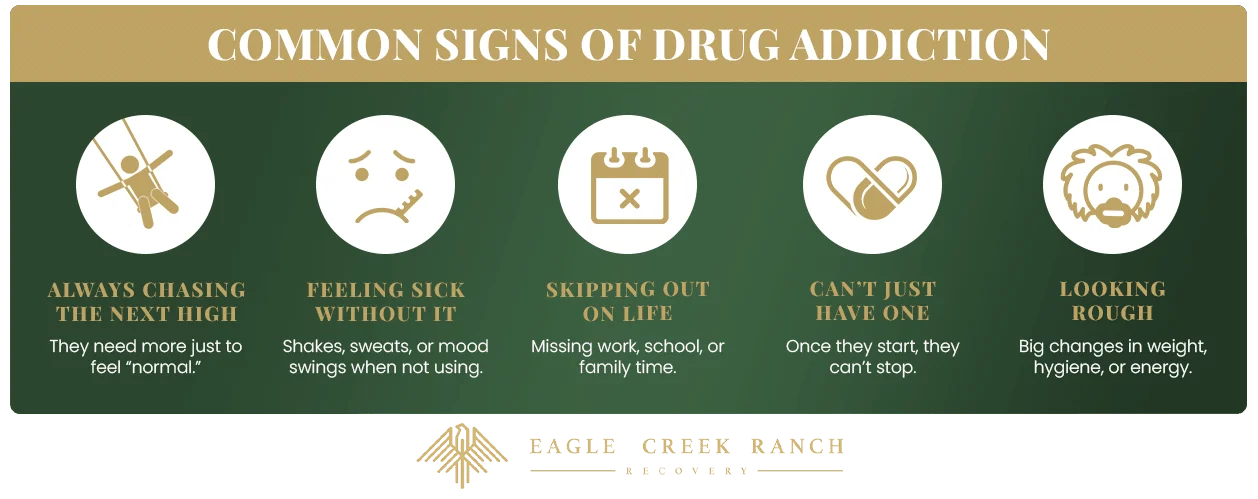
Signs of Drug Addiction
People who suffer from addiction may exhibit several different signs. These can include changes in behavior and other glaring signs. Other signs include:
- Using drugs or drinking alcohol despite negative consequences
- Poor performance in school, work, and home life
- Falling away from hobbies they used to enjoy
- Isolating from friends and family members
- Experiencing financial troubles because of drug or alcohol use
- Being unable to stop drug use, despite wanting to
If you notice these signs, counseling is a core component of addressing addiction and can provide essential support alongside other treatment options.
If you suspect that someone you know is suffering from substance abuse, it is important to get them help as soon as possible. There are many treatment options available, and with proper help, many people can recover and live healthy lives. Building connection and support during the recovery process is crucial for long-term success.
Who is Most Likely to Become Addicted to Drugs?
Addiction can affect anyone, no matter their background or status in life. However, certain factors can increase a person’s likelihood of developing an addiction. It is important to address underlying issues such as trauma, mental health concerns, and environmental stressors during addiction treatment. Involving family in the recovery process can strengthen relationships and create an environment that supports long-term sobriety.
If someone uses addictive substances early on in life, they are statistically more likely to develop an addiction later. This may take the form of drinking alcohol or smoking cannabis as a teenager, or experimenting with misusing prescription drugs while in college. Early substance use may normalize the act of turning to substances as a coping mechanism, which can facilitate addiction later in life.
Early intervention is crucial, and making timely referrals to addiction treatment programs can help connect at-risk individuals to the support and resources they need before addiction develops.
If someone is surrounded by people who use addictive substances at work, school, or home, it can raise their risk for substance use (and thus developing a substance use disorder). The people around them may not be able to detect signs of a developing addiction in themselves or others. Avoiding or declining addictive substances may lead to social rejection. Seeing friends or family members consume addictive substances during celebrations or times of relaxation may normalize their use, eventually skewing a person’s ability to detect if their use of substances has become unhealthy.
Building a strong recovery often depends on finding a supportive community and establishing accountability, which helps individuals stay focused on their recovery goals. Engaging in sober activities can also provide opportunities to form new, healthy social networks and foster a sense of belonging after treatment.
If someone lives with a mental health condition like clinical depression or generalized anxiety disorder, they may resort to self-medication to manage their symptoms regularly. Substances can provide temporary relief from mental health conditions due to how they interact with the body and brain. But this is not a long-term solution. When the effects of the substance wear off, the person may feel the need to keep consuming more of the substance to achieve the same effects. Physical dependence may lead to excessive substance use to feel any measure of relief, harming the person in ways that proper mental health treatment would not.
A holistic approach to addiction treatment can be valuable, as it addresses the emotional, physical, and spiritual aspects of recovery. Integrating therapies such as acupuncture, massage therapy, and hypnosis alongside traditional methods supports the whole person and can improve treatment outcomes.
Addiction does run in families, in that having a parent with an addiction correlates with a higher rate of developing an addiction. But genetics is not the sole factor in determining if someone will develop an addiction.
No one lifestyle factor or personality trait guarantees that someone will develop an addiction to drugs. But if someone has some or all of these factors present in their life, it can be beneficial to stay aware of their personal patterns and seek mental health support to foster the best possible outcomes.
Contact Eagle Creek Ranch
Recovery Today!
Why Wait? Find The Help You Need By Reaching Out To Us Today! Our Admissions Team Is Standing By.
Addiction Treatment at Eagle Creek Ranch Recovery
At Eagle Creek Ranch Recovery, treatment begins with medical detox in a safe, supervised environment, where withdrawal symptoms are carefully managed. Our programs are built on evidence-based care, including medication-assisted treatment (MAT) with medications such as buprenorphine and naltrexone, along with individual counseling, group therapy, and family support.
We believe it’s never too late to turn life around. Our goal is to help patients discover a life of happiness, purpose, and adventure, rising above addiction to embrace lasting change. Our comprehensive services include:
- Individual therapy, group therapy, family therapy, and adventure therapy
- Medical detox
- Residential treatment
- Dual diagnosis treatment
- 12-step support
- Relapse prevention programs
Our residential programs provide structured, full-time care with 24/7 support, typically lasting 30–90 days or longer. Following treatment, we offer aftercare planning and ongoing support to maintain recovery, prevent relapse, and promote continued healing. Specialized programs are also available for individuals with co-occurring mental health conditions, ensuring an integrated approach to dual diagnosis treatment.
The abuse of alcohol can lead to severe health problems, financial issues, and social problems. It ruins relationships with loved ones or friends as well. Treatment typically includes detox programs that help heal a person from the physical aspects of alcohol addiction. Afterward, a person goes into addiction therapy to learn how to cope with the patterns associated with alcohol use. Achieving and maintaining sobriety is a key goal of addiction treatment, with ongoing support provided to help individuals sustain a sober lifestyle.
Alcohol addiction treatment often incorporates evidence-based therapies such as Cognitive Behavioral Therapy (CBT), which helps individuals identify and change negative thought patterns and behaviors related to substance use, and Dialectical Behavior Therapy (DBT), which focuses on emotional regulation and coping skills.
Heroin is a powerful painkiller that can be highly addictive. It’s often used to treat severe cases of chronic or acute injuries, but it also has the potential for abuse and addiction in its own right. The effects of heroin addiction depend largely upon how you use the substance. Similarly, treatment involves detox, therapy, and medication in some cases. Medication-Assisted Treatment (MAT) combines medical support with counseling to ease withdrawal symptoms and promote recovery.
Although prescription medication is used for many different medical cases, sometimes these drugs can be just as dangerous when abused. Prescription drug abuse occurs when a person takes more of a medication than prescribed or uses it for non-medical reasons. Prescription drug addiction can occur even if a person is not meaning to abuse the drug. It’s important to look towards quality prescription drug treatment for help. Personalized care and strong clinical support help build confidence in recovery, ensuring individuals feel supported and assured throughout their treatment journey.
Cocaine is an illegal drug that millions of people abuse. Its potency and addictiveness can lead to serious health, financial issues, and social problems. In some cases, a person can end up overdosing on cocaine due to its potency, which can be lethal in some cases. Treatment is vital to overcoming cocaine addiction and living a better life. Moving forward in recovery means recognizing progress and taking steps with confidence, and it’s important to celebrate milestones along the way to support ongoing achievements and personal growth.
Eagle Recovery offers addiction treatment for these substances, among many others. It is never too late to start a better life. We are here for you.

Get the Support You Deserve at Eagle Creek Ranch Recovery
Understanding the costs of addiction treatment and your insurance coverage is crucial. Most centers in Idaho accept Medicaid and other insurance providers, and financial assistance is available for those who qualify. Many facilities provide support for navigating insurance coverage and financial aid options, helping you answer any questions about payment and coverage.
Don’t wait to seek help; our team’s expertise is dedicated to creating personalized care plans and providing guidance every step of the way. We are here to answer your questions and support you as you take the next step toward a better life.
Don’t be afraid to take that next step; you deserve a better life of fulfillment. Addiction doesn’t have to rule your life any longer. Give us a call to start the process today.

Clinical Director
Kendall Maloof is the clinical director at Eagle Creek Ranch Recovery. She is a licensed marriage and family therapist and has held multiple leadership roles before settling here at Eagle Creek Ranch Recovery. Kendall received her master’s degree in marriage and family therapy from the Chicago School of Professional Psychology in 2016. Her career in mental and behavioral health began in 2014 when she took up internships in both the nonprofit and for profit sectors. She interned at multiple reputable companies, such as The Living Success Center and 449 Recovery in California.
In 2019, Kendall became the clinical director of Sunsets Recovery for Woman, a dual diagnosis program in southern California. Kendall is a natural leader. She has an incredible ability to problem solve and stay calm in any situation. Kendall never fails to show up when she is needed, and her calm demeanor makes her team and clients feel at ease. Eagle Creek Ranch Recovery is proud to have Kendall as our clinical director.